· Paul · What's It Worth? · 4 min read
Is a Microwave Worth Scrapping? (The Transformer Is the Prize)
A microwave is 28 lb of cheap steel wrapped around one genuinely good component: a copper-wound transformer. Here's what it pays, how to get the good part out, and the capacitor warning that isn't optional.
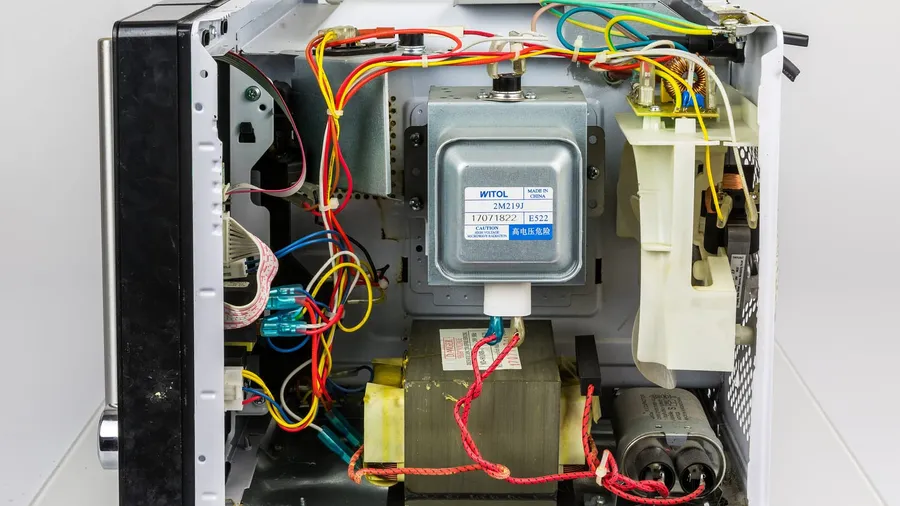
Microwaves are everywhere — curbs, thrift-store rejects, office cleanouts — and they’re light enough to grab one-handed. Whole, they’re a small steel payday. But unlike most small appliances, a microwave hides one component that’s genuinely worth opening the case for: a chunky, copper-wound transformer. One safety warning first, and it’s not boilerplate.
Quick answer (US yards, October 2026): a typical 28 lb microwave brings about $2 sold whole. Its value is in the transformer: cut the copper windings out and the same unit is worth about $7. Discharge the capacitor before you open it — see below.
Safety first: the capacitor holds a charge
A microwave’s high-voltage capacitor can hold a lethal charge long after the unit is unplugged — days, in some cases. It’s the single most dangerous thing a household scrapper will casually open. Before you touch anything inside:
- Unplug the unit (obviously) and wait.
- Locate the capacitor — a metal can, usually near the transformer.
- Short its terminals together with an insulated-handle screwdriver across both terminals (expect a pop and a spark), then short each terminal to the chassis.
- Only then start unbolting.
If that paragraph made you uncomfortable, sell microwaves whole — the yard price is the cost of skipping the risk, and that’s a perfectly sane trade.
What’s inside a microwave
A typical unit runs 25–35 lb:
- Steel casing — about half the weight. Light-iron money.
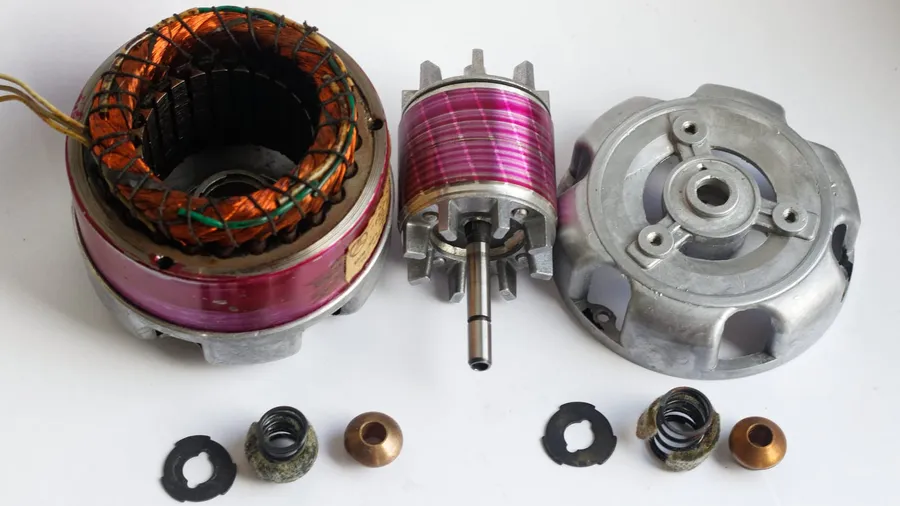
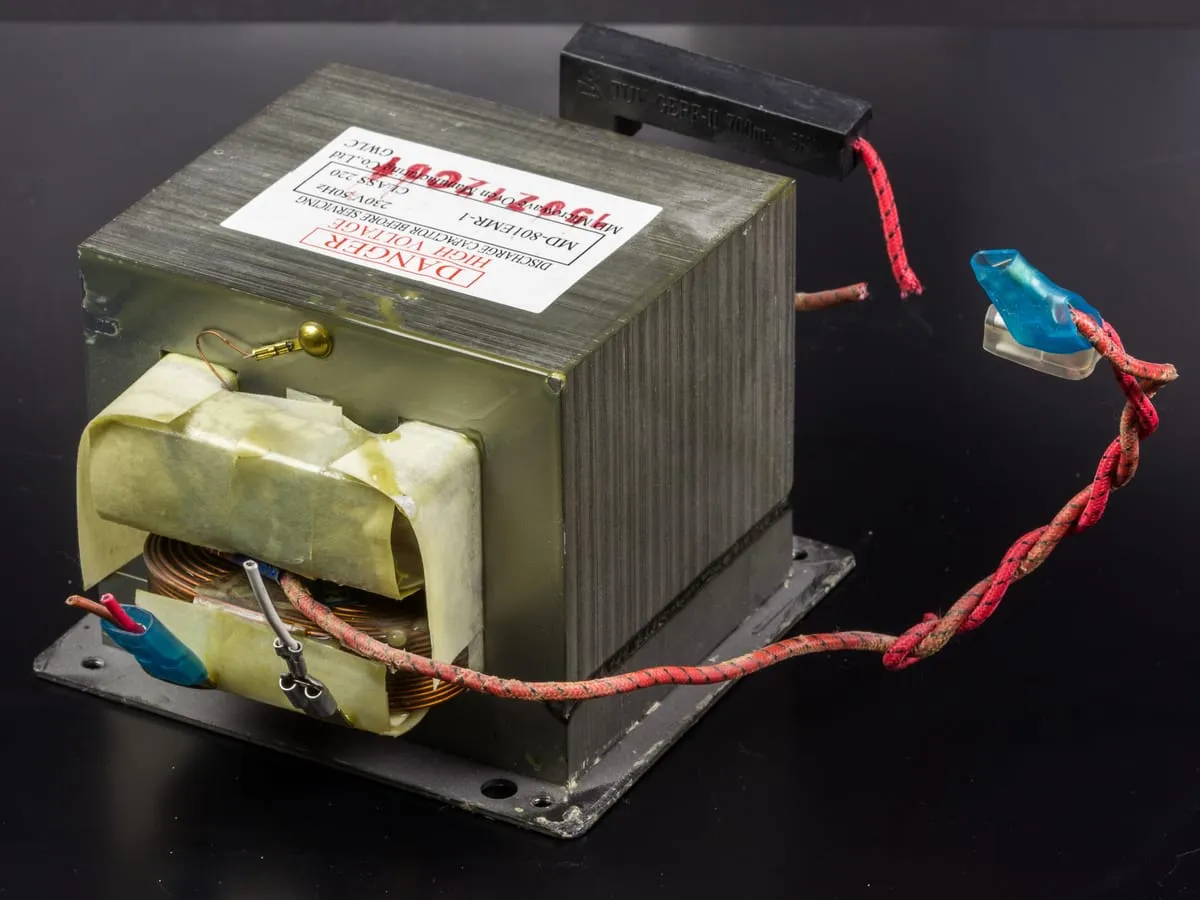
- The transformer — the prize: a dense block of steel plates wound with 1–2 lb of copper wire, sitting right next to the capacitor. Yards buy transformers as their own grade (like sealed units/motors), or you can cut the copper windings out for wire price.
- Copper wiring — a modest harness.
- The magnetron — contains two nice ceramic ring magnets (fun, occasionally sellable) but no meaningful scrap value. Don’t crack its ceramic insulator — on some older units it’s beryllium oxide, which is hazardous if broken into dust. Set the magnetron aside whole.
- Glass, plastic, electronics — the tray, door, and control board. The board is low-grade e-scrap; the rest pays nothing.
Run your own numbers
Set the preset to Microwave, enter the weight and your yard’s prices, and see the split:
Your appliance
Steel tank dominates the weight; foam insulation and the plastic jacket make up most of the rest and have no scrap value. Draining the tank first is worth the trip to the yard alone — full tanks are often refused.
Typical range for this appliance: 60 lb–160 lb. Weigh it if you can.
Indicative October 2026 default — enter your yard's price. Saved for next time.
Indicative October 2026 default — enter your yard's price. Saved for next time.
Indicative October 2026 default — enter your yard's price. Saved for next time.
The remaining ~22.5% is insulation, plastic, or other non-scrap material with no resale value.
Whole vs opened up
Whole: ~28 lb at shred/appliance price. Fast, zero risk, small money.
Opened: five bolts and a discharged capacitor later, you’ve pulled a 6–10 lb transformer that grades several times better than the case around it, and the case still sells as steel. On a per-minute basis, pulling microwave transformers is some of the better-paid small-appliance work — if you’re set up to do it safely and you accumulate enough units for the trip to matter.
The transformer itself gives you the same choice one level down: sell it whole at transformer price, or cut the windings out for bare copper. Cutting is real work (hacksaw or chisel through the winding, punch the copper out) — most scrappers sell transformers whole and let volume do the earning.
The verdict
Worth grabbing? Always — it’s free metal, light, and stackable. Worth opening? Yes, for the transformer, but only with the capacitor discharged and only if you’re collecting a few. One microwave opened for one transformer is a hobby; a shelf of transformers next to a stack of flattened cases is a system. Buying a pallet of dead units? Sanity-check the price with the Scrap Lot Deal Analyzer.
Related
- The full Appliance Scrap Value Calculator — washers, water heaters, AC units, and more.
- Is a Water Heater Worth Scrapping? and the other What’s It Worth? guides.
- Curious about the control board? Board & Component Value estimator and Microscrapping 101.
- Grade the copper you pull: #1 vs #2 Copper.
- steel
- copper