· Paul · What's It Worth? · 4 min read
Is a Washing Machine Worth Scrapping?
150 pounds of mostly steel, one copper-wound motor, and a slab of concrete that pays nothing. Here's what a washer is really worth, whole versus broken down — with a calculator for your prices.
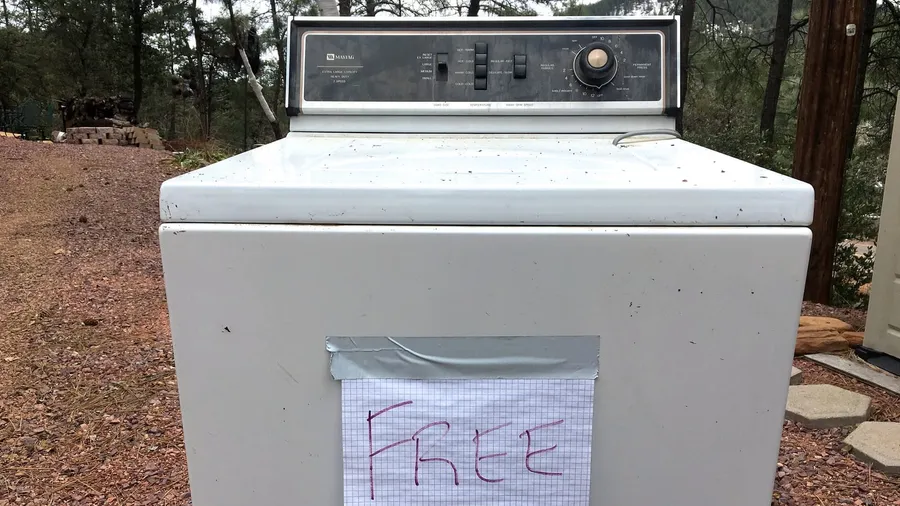
Washing machines are one of the most common free scores in scrapping — curbs, “haul it away” listings, appliance swaps. At 130–200 lb each they feel like they should be worth real money. The honest answer: as a whole unit it’s a steel-price payday, modest but easy. The upside hides in one component, and one heavy surprise inside pays nothing at all.
Quick answer (US yards, October 2026): a typical 150 lb washer brings about $11 sold whole at the light-iron rate. Broken down it’s about $12, so for one machine, selling whole is usually the right call. The motor’s copper is what makes a teardown pay once you have several.
What’s inside a washing machine
By weight, a washer is roughly half to 60% steel — the cabinet, frame, and (usually) the drum. At light-iron prices that’s the bulk of the payout and it’s pennies per pound; a 150 lb washer sold whole is essentially a steel sale.
The interesting parts:
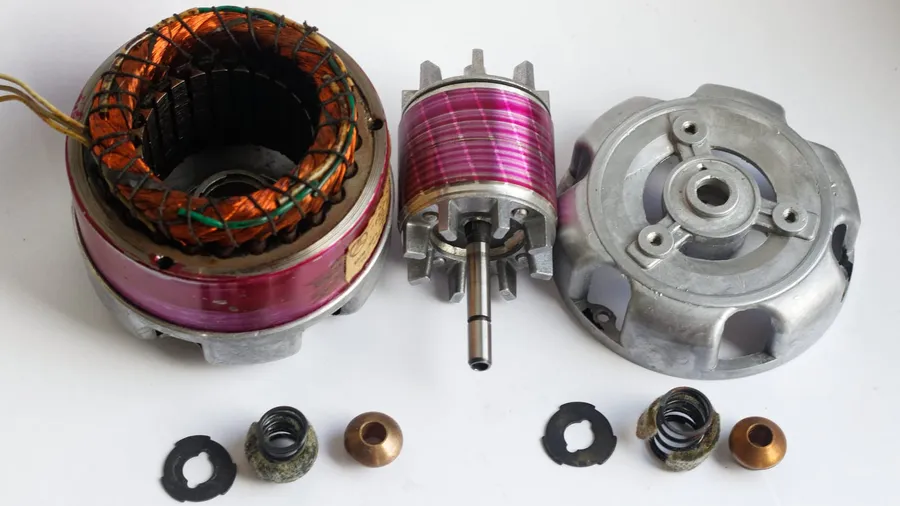
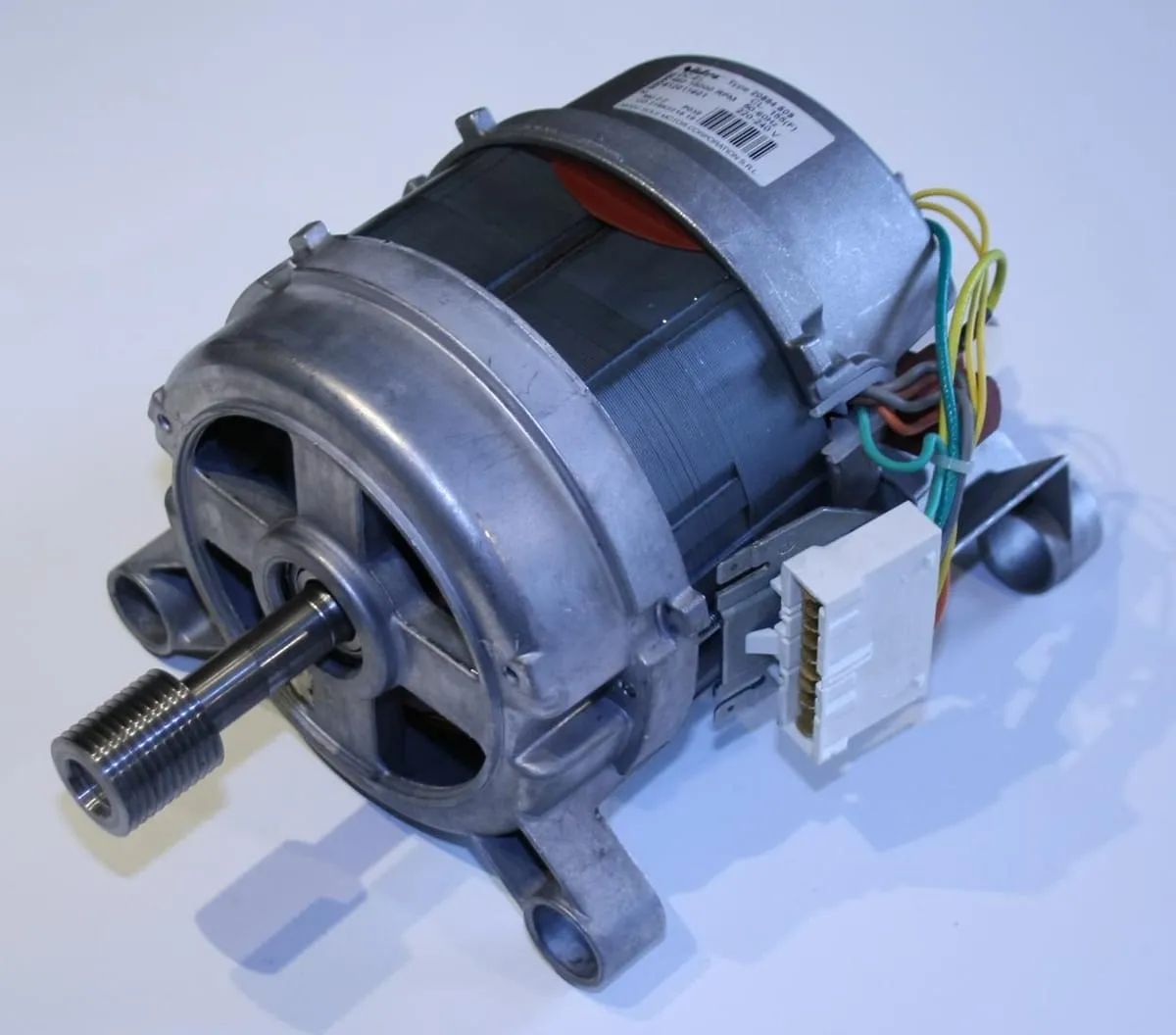
- The motor — a copper-wound electric motor, the single most valuable piece. Sold separately, electric motors grade well above shred steel, and the 1–2 lb of copper winding inside is why.
- Wiring and solenoids — a modest harness of insulated copper wire and copper-wound valves.
- A possible stainless drum — many machines have a stainless inner drum, which grades far above mild steel if you separate it. Check with a magnet: stainless 304 barely sticks.
- The concrete counterweight — here’s the gotcha. Most washers carry a large concrete block (sometimes two, 25–50 lb) to damp the spin cycle. It’s a big share of that impressive curb weight and it’s worth nothing. If you sell the machine whole, you’re hauling free concrete to the yard; some yards even dock for it.
Run your own numbers
Enter the weight and your local prices — the calculator splits the machine into its metals and shows the estimated value (switch the preset to Washing Machine):
Your appliance
Steel tank dominates the weight; foam insulation and the plastic jacket make up most of the rest and have no scrap value. Draining the tank first is worth the trip to the yard alone — full tanks are often refused.
Typical range for this appliance: 60 lb–160 lb. Weigh it if you can.
Indicative October 2026 default — enter your yard's price. Saved for next time.
Indicative October 2026 default — enter your yard's price. Saved for next time.
Indicative October 2026 default — enter your yard's price. Saved for next time.
The remaining ~22.5% is insulation, plastic, or other non-scrap material with no resale value.
Whole vs broken down
Selling whole is a five-minute transaction at the yard’s appliance or shred price, and for one machine that’s often the right call.
Breaking it down earns more per pound but costs time: pull the motor (usually a few bolts and a belt), cut the wiring harness, drop the concrete counterweight in your trash — not the truck — and separate a stainless drum if you’ve got one. The motor alone is the highest-value five minutes; whether the full teardown pays depends on your yard’s prices and your speed. Run the same logic you’d use on wire through the Strip or Sell calculator — it’s the identical time-versus-payout question.
If you have a steady source — an appliance installer who’d rather you take the old units — breakdown economics improve fast, because your setup time amortizes across machines. Two tools make that teardown quick: a cordless drill/driver for the cabinet screws, and a pry bar to pop panels and free the motor mount.
Cordless drill/driver
$$$Appliances are held together by dozens of screws and a few rivets. A cordless drill/driver turns a twenty-minute teardown into five, and drills out the rivets that hold cabinets and brackets together. The single biggest time-saver in appliance breakdown.
Look for: A compact brushless model with an adjustable clutch, so small screws don't strip. This one is sold as a bare tool and takes the same battery as the recip saw, so one battery runs both.
Pick: Milwaukee M18 compact brushless hammer drill/driver (bare tool)
Pry bar / crowbar set
$Some things don't unscrew — they get persuaded. A set of pry bars pops appliance panels, separates glued housings, and frees seized parts without wrecking the metal you're after.
Look for: A set in a few lengths, flat and angled ends. Solid (not hollow) bars give real leverage without bending.
Pick: MAXPOWER 4-piece pry bar set
The verdict
Worth scrapping? Yes, if it’s on your way — free metal you were going to move anyway is always yes. Worth driving across town for one? Barely, at steel prices. The play is volume plus the motor: a truckload of washers with the motors pulled and counterweights dumped is a genuinely decent haul. Pricing a bulk lot someone’s selling? Check the asking price against the metal with the Scrap Lot Deal Analyzer.
Related
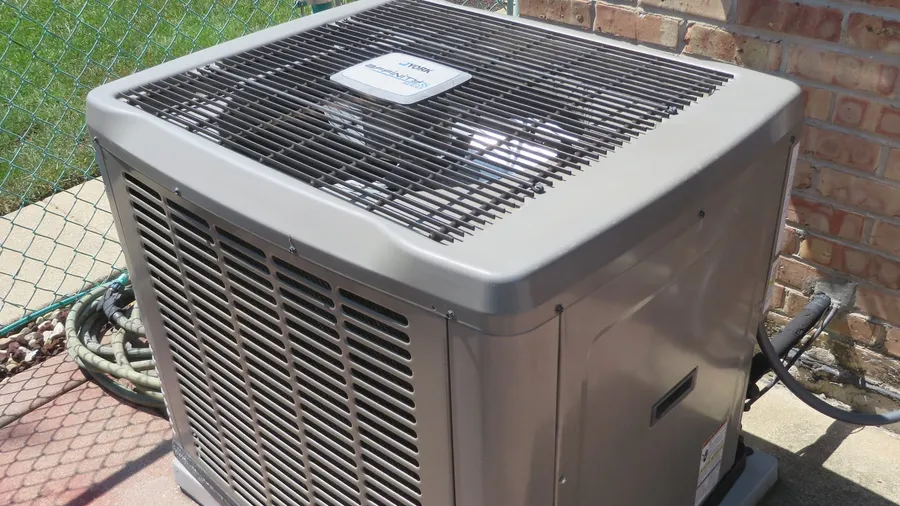
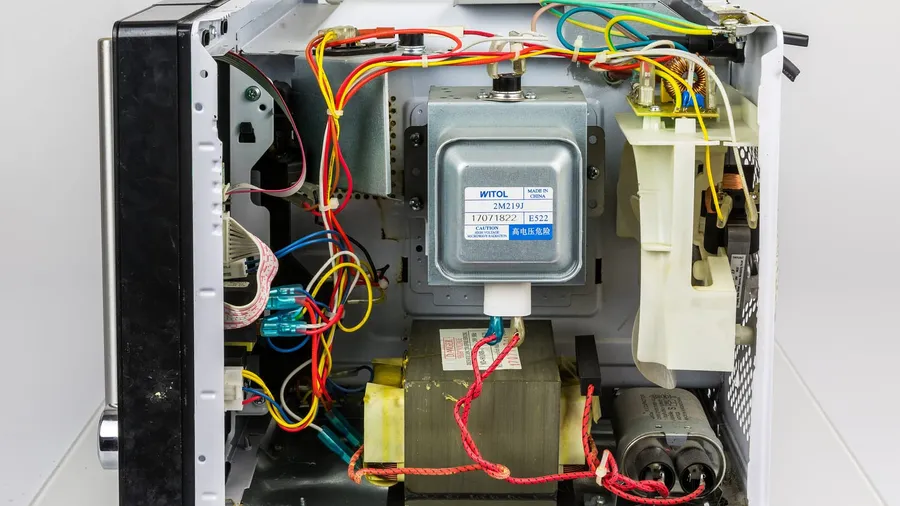
- The full Appliance Scrap Value Calculator — water heaters, microwaves, AC units, and more.
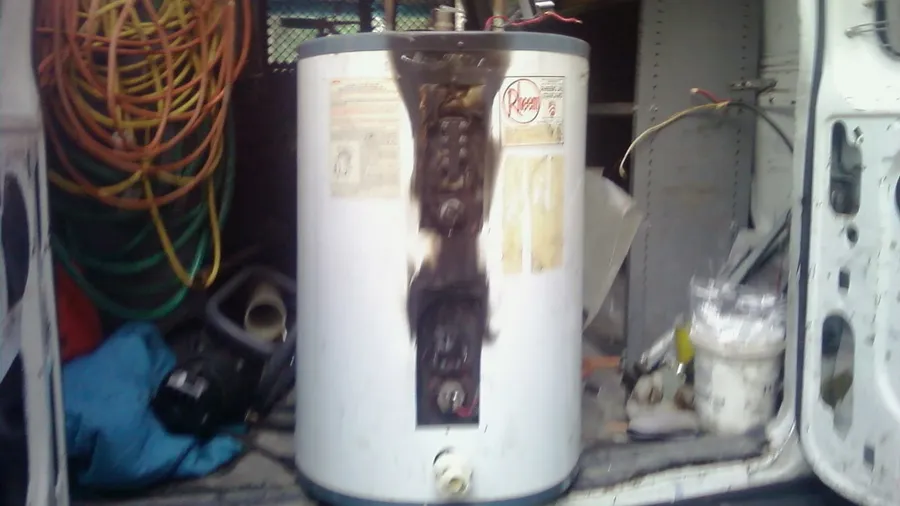
- Is a Water Heater Worth Scrapping? — the same breakdown for the other big curb find.
- Know your ferrous grades: Steel & Iron Scrap Grades.
- All the What’s It Worth? guides.
- steel
- copper